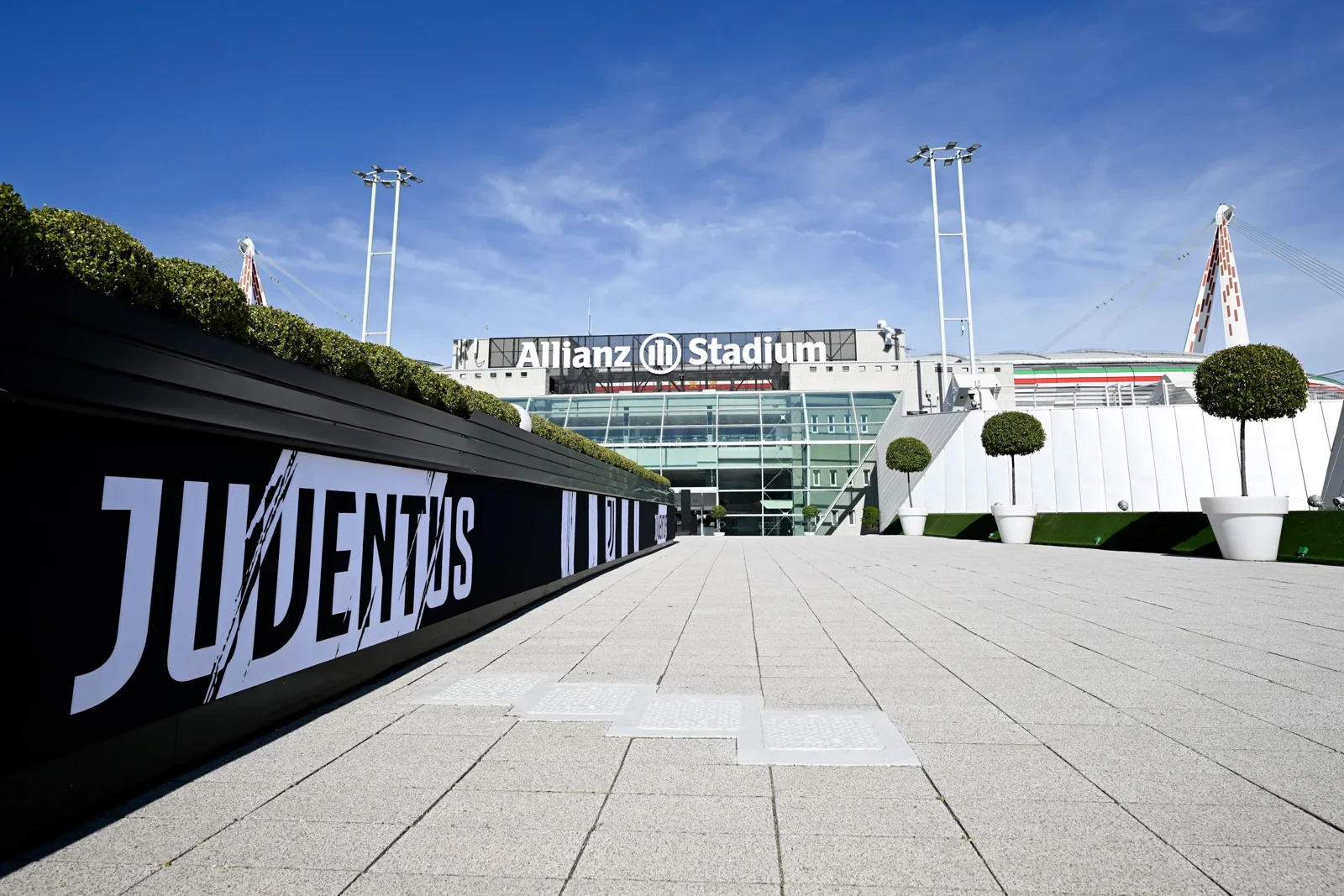
Buy Serie A match tickets through the home club's official ticket page and the seller it identifies. Check the sale phase, each spectator's details and the chosen section before paying. This guide, checked on 30 September 2026, explains official purchase routes, named tickets, identity documents, supporter cards, permitted holder changes and away-sector restrictions, with examples from current club instructions.
Start with the home club and the published sale phases
Follow the club's official ticket route
The most useful starting point is the home club's official website, followed by its ticket link for the particular match. That route establishes who is organising the sale and which provider the club actually uses. Some clubs sell through their own interface, while others direct you to a ticketing partner. The important connection is the club's published link, rather than a seller appearing first in a search or placing the league name prominently above a payment button.
For example, Inter, AC Milan, Juventus and Roma provide official ticket entry points. Napoli directs supporters to its TicketOne catalogue. These are starting links, not a statement that every future game is already on sale. At a shared ground such as San Siro, choose the organising home club: an Inter sale and a Milan sale have different accounts, notices and conditions even though the seat is in the same building.
Check that you are buying a football admission for the intended competition. Museum visits, stadium tours, parking and hospitality may appear beside match tickets. A useful package can include several items, but a stadium-tour reservation alone will not put you in a league game's stand. Read the named event, date, seat or hospitality category and the total price before proceeding. If an official partner opens in another tab, follow it from the club again when in doubt rather than guessing a similar-looking address.
General sale is different from priority access
Read the dated match announcement to find the sale phase you qualify for. A club may give existing season-ticket holders, card holders or members an earlier window, a reserved price or a chance to buy extra seats. Those are different benefits. Inter's current Parma listing, checked in September 2026, includes an additional-ticket promotion for specified season-ticket and Inter Club categories. That does not make every visitor a member of those categories, nor does it establish a universal timetable for all Inter games.
Look for general sale, or vendita libera, and then read any conditions attached to it. General availability does not erase a fixture's residence restriction or a particular sector's rules. If your group includes people with different membership status, confirm whether a benefit applies only to the buyer or also to each named holder. Having one qualifying account can be insufficient for a promotion requiring every attendee to meet its terms.
There is no reliable league-wide rule that tickets always open a fixed number of weeks before kickoff. Prepare the account and monitor the specific notice. Also separate ticket availability from the match's confirmed date: use the kickoff confirmation tracker before arranging a trip around a provisional slot. An advance resale listing is not proof that the official general sale has begun or that its eventual holder will meet the organiser's conditions.
Choose a seat that fits the match you want to attend
Use the official seating map to decide what you want from the ninety minutes. A seat near halfway usually offers a clearer view of both teams' structure; an end behind a goal gives a different perspective and may be closer to organised supporter activity. These are choices about experience, rather than a ranking in which the loudest section is automatically the best for every visitor. Check the precise block and tier, not just a broad word such as central, premium or curva.
Juventus' ticket guide describes choosing directly from the stadium map with a virtual view. San Siro's official stadium guide distinguishes its coloured sectors and tiers. Those tools help you compare the actual seat with the price you are offered. A higher tier, a corner position and a hospitality package can all change what you see or what is included, without the match itself changing.
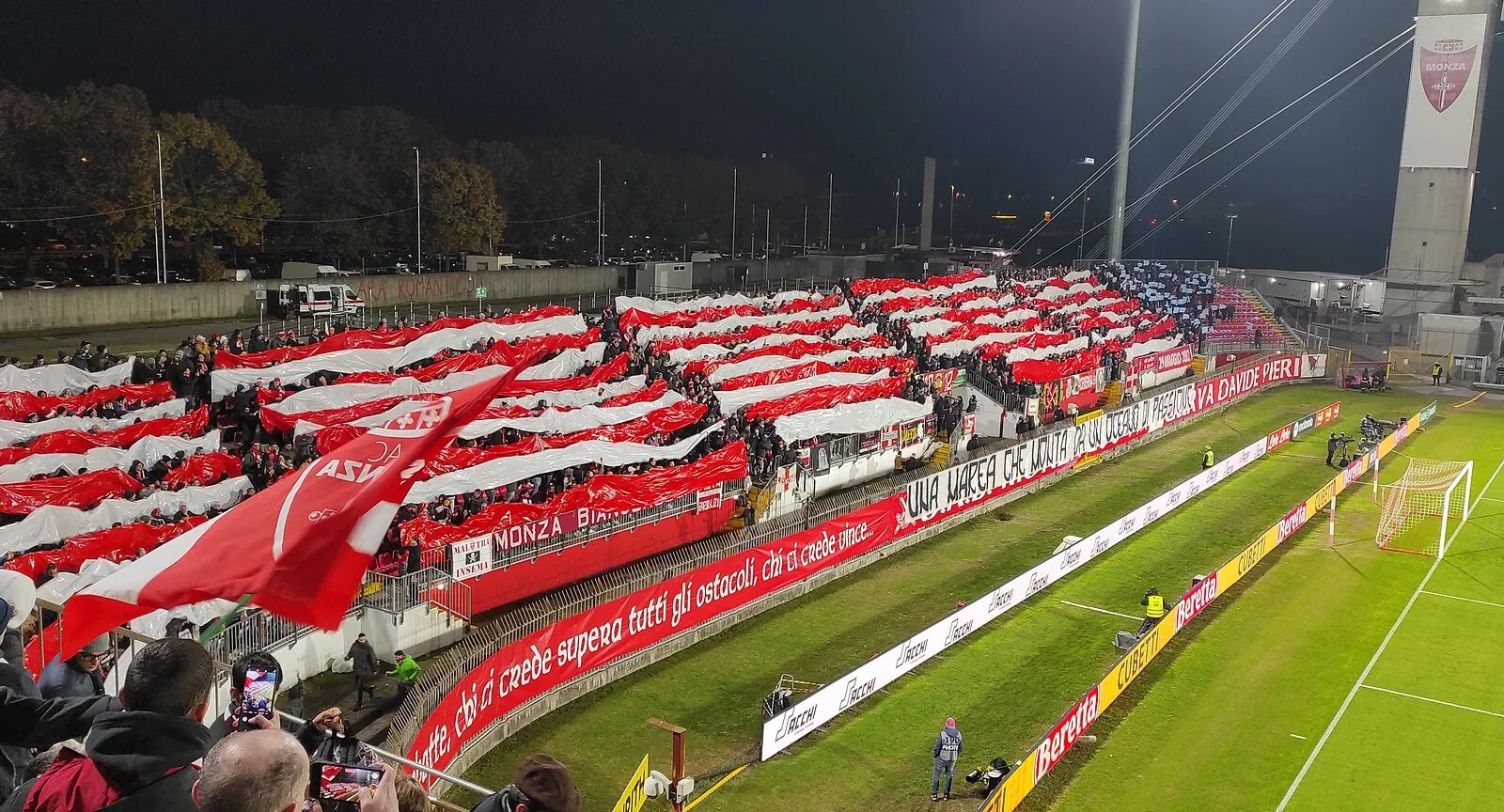
If you are a neutral visitor, choose a sector whose published conditions fit you and the people travelling with you. Do not treat a home supporter end as an interchangeable solution to an unavailable away ticket. The organisers' segregation and sale rules still apply. For a group, select adjacent seats before paying and respect the purchase limit. Juventus currently states a maximum of four tickets per buyer; a larger family should ask how to complete a permitted booking without assuming two separate transactions will produce neighbouring seats.
Child admission deserves its own check within that purchase. A reduced fare, a dedicated family sector and a free child accreditation are different arrangements. Inter's Under-14 scheme, for example, applies to designated matches and available allocations, with advance booking and companion conditions. It is not a promise that every child can walk into any fixture without a named admission. Read the current game's age threshold, qualifying dates and seat entitlement before selecting an adult-and-child combination.
Also check accessibility through the club's dedicated route if anyone needs an accessible space or companion arrangement. A cheap ordinary seat is not necessarily suitable for that need. Finally, remember that buying one sector does not give permission to move into another when you see empty places. San Siro's ground regulations require supporters to occupy the allocated seat. Getting the choice right during the official booking is more useful than hoping a steward can rearrange your group after the teams have entered the pitch.
Named tickets, identity documents and supporter cards
Italian football tickets normally identify the spectator who will use them. The legal background includes the Interior Ministry decree of 6 June 2005, whose original Article 2 requires the user's particulars and allocated seat for tickets within its scope, covering football grounds above 10,000 capacity. That historical framework explains why the name matters. The host club's current regulations and the fixture's security instructions determine the practical purchase and admission requirements you must follow.
The ticket holder must match the person entering
A single account can buy tickets for a group, but the buyer and every ticket holder are separate roles. Enter each person's own details where the checkout asks for them; do not repeat the organiser's name across four seats. Have the group's identity documents available while booking so spelling, dates of birth and any requested residence information can be checked before payment. An email receipt proving you paid for several tickets does not make you the permitted user of all of them.
Carry a valid identity document as well as the admission ticket. The San Siro ground regulations effective from August 2025 explicitly provide for checks at the prefilter gates to establish that the person entering matches the named holder or legitimate assignee. For an international visitor, taking the passport used for the booking is a practical way to arrive prepared. Ask the club about an unusual document or a child's admission requirement before travelling; a small child's discounted ticket does not automatically remove identity checks.
A fan card is not the same as club membership
The expression tessera del tifoso refers to a supporter card, often issued under a club's own name. A paid membership can instead provide benefits such as priority sales. These products can appear in the same checkout journey without serving the same purpose. Juventus explicitly states on its men's first-team ticket page that a Juventus Card is not necessary for ordinary ticket purchase, while members obtain access to reserved sale phases. Buying membership therefore answers a priority-access question, rather than automatically satisfying every possible supporter-card condition.
For particular fixtures, a card can become important. The current Juventus Card purchase information connects it to territorial sale restrictions imposed by the authorities and to away-sector purchases in Italy. Read those conditions before deciding whether your party needs a card, and allow time for any required validation. A card should not be treated as a promise that every away trip will be permitted: a later security order can affect eligibility or close a section. Keep the match-specific ticket notice as the deciding reference.
Changing the holder and checking a resale offer
A ticket sent to your phone can still belong to somebody else. The important question is whether the club's system permits that ticket to be reassigned and whether the reassignment has actually been completed. Ask for the precise match, seat, ticket category and applicable transfer process before agreeing to a private offer. A promise to send a PDF shortly before kick-off does not establish that your own name will be recorded as its legitimate user.
Different ticket products have different flexibility. Roma's current FAQ limits single-match holder changes to full-fare tickets for unrestricted matches. Inter's FAQ distinguishes BASE tickets with one paid change from PLUS tickets with one change included, subject to restrictions, and states that the Secondo Anello Verde is never transferable. These examples show why a seller's general assurance that Italian tickets can be renamed is insufficient. Check the exact product before planning around a change.
Correcting a typing mistake also deserves attention before the day of the match. Compare the purchased ticket with the intended holder's document as soon as it is available. If something differs, use the club's help channel rather than editing an image or PDF yourself. Tell support whether the issue is a spelling error, the wrong date of birth or a completely different spectator, because those situations may require different handling. If a change is permitted, keep its confirmation and use the updated admission credential. The previous copy should not be treated as a second valid ticket.
Official resale is another route worth checking when initial availability looks limited. Milan's official season-ticket resale page explains that seats returned by holders become available through the normal booking site and seat map. Availability depends on the fixtures opened for the service and on actual returns; at our check the page stated that no matches were available for resale. The useful action is to revisit the club's own inventory, rather than assume every sold-out match must remain sold out or every resale listing is authorised.
For a commercial resale offer, separate the seller's money-back terms from the club's admission conditions. Establish who supplies the seat, how the holder will be changed, whether its category can be transferred to you and when you will receive the usable credential. Then ask the club to verify any claimed authorisation that you cannot trace from its website. A financial guarantee offered by a marketplace cannot itself change a stadium rule or reopen a prohibited transfer. If those practical questions have no clear answer, continue checking official stock or choose another fixture with a purchase route you can verify.
Away sections and restrictions for individual fixtures
If you are travelling to support the visiting team, establish the permitted supporter section before choosing a seat. The settore ospiti is the away section, and it can have its own sales window, ticket supplier, eligibility conditions and access instructions. Its availability should be checked separately from the home club's ordinary seat map. A stadium can still have home tickets on sale while the visiting allocation is unavailable or subject to further instructions.
Read the away-sector sale conditions
Use the host club's notice alongside the travelling club's announcement. The former explains admission to its stadium; the latter can direct its supporters to the correct allocation. Inter's Siamo Noi information, for example, identifies its card as a requirement for the away-fans section when Inter plays away. That is a club-specific instruction. Do not replace the published conditions with a general claim that every Serie A spectator needs a card, or that every visitor is exempt.
When a card is required, check whether its number is recognised by the authorised ticket system before the sale closes. Enter the actual holder's details and establish what must be carried to the ground. Card registration, purchase eligibility and admission are connected steps, but completing one does not automatically finish the others. Families should also read the conditions for each child's ticket and card instead of assuming the home ground's family offer applies to the away allocation. Resolve an unclear requirement with the clubs while their support channels are available.
Security orders can restrict more than the away end
Residency restrictions can affect ordinary home sectors too. At our 30 September 2026 check, the Roma-Genoa sale notice for 17 October excluded residents of the Province of Genoa from Roma supporter sectors, while requiring Roma fidelity-card details from residents of other Ligurian provinces. Away-sector sales information was still forthcoming. This is an example tied to one fixture, but it illustrates why a home ticket cannot be assumed to solve an away-allocation problem. Nationality and residence are different details; answer the checkout questions accurately.
The National Observatory's current determinations provide a route to official security information, while the clubs translate the applicable decisions into sale notices. Recheck those notices before travelling, particularly if an announcement says further instructions will follow. Do not plan to bypass an eligibility condition by choosing another stand or changing your address in the booking. For more on interpreting the different measures, read our Serie A away-fan restrictions guide. Your purchase should fit the current conditions for that match and that spectator.
From completed purchase to the stadium gate
Once payment succeeds, keep the order confirmation and check that it names the correct fixture and spectators. Then follow the delivery instructions until you have the actual admission credential. An order reference can be useful to support staff without being what the turnstile scans. For a group booking, establish how each person's ticket will be accessible at the entrance, especially when people arrive separately. Do this at home rather than discover a missing login or ticket assignment in the stadium queue.
Digital delivery varies by club. The Allianz Stadium App guide explains how Juventus single-match tickets can be loaded from purchases or with an Access ID and date of birth. Its QR code becomes available six hours before kick-off, with an NFC wallet version also described. A QR code that has not appeared several days beforehand is therefore different from an order that cannot be found at all. Follow the current app instructions and investigate the latter problem early.
Roma's digital ticket guide describes delivery to a smartphone wallet or the Il Mio Posto app and prohibits using screenshots to transfer tickets. The practical lesson is to use the club's intended ticket format. Do not assume a printout, old PDF or image copied from another device works everywhere. Install the required application, confirm access to the right account, charge your phone and check the wallet before leaving for the stadium. Contact the club beforehand if your party cannot use the stated digital route.
Recheck the confirmed date and kick-off time against the host club and Lega Serie A before fixing the last details of your journey. League pairings are announced before all exact slots are settled, and later changes can occur. The league's 2026-27 release for matchdays 13-19 also included changes to matchday 12, illustrating why an earlier calendar entry deserves another check. Our fixture confirmation guide explains the difference between the round calendar and a confirmed slot.
Finally, read the matchday access notice for your specific entrance, gate opening and permitted belongings. Bring the named ticket, valid identity document and any supporter card or transfer confirmation required for that purchase. Allow time for the identity check, security screening and walk to your allocated block. Keep the credential available until you have left the ground. With those steps complete, you can arrive knowing which match you bought, where your group belongs and how each spectator will pass through the gate.
Join the discussion
Comments
Sign in with Google to comment. Keep the conversation useful and football-focused. New comments are reviewed before they appear.
Loading comments…