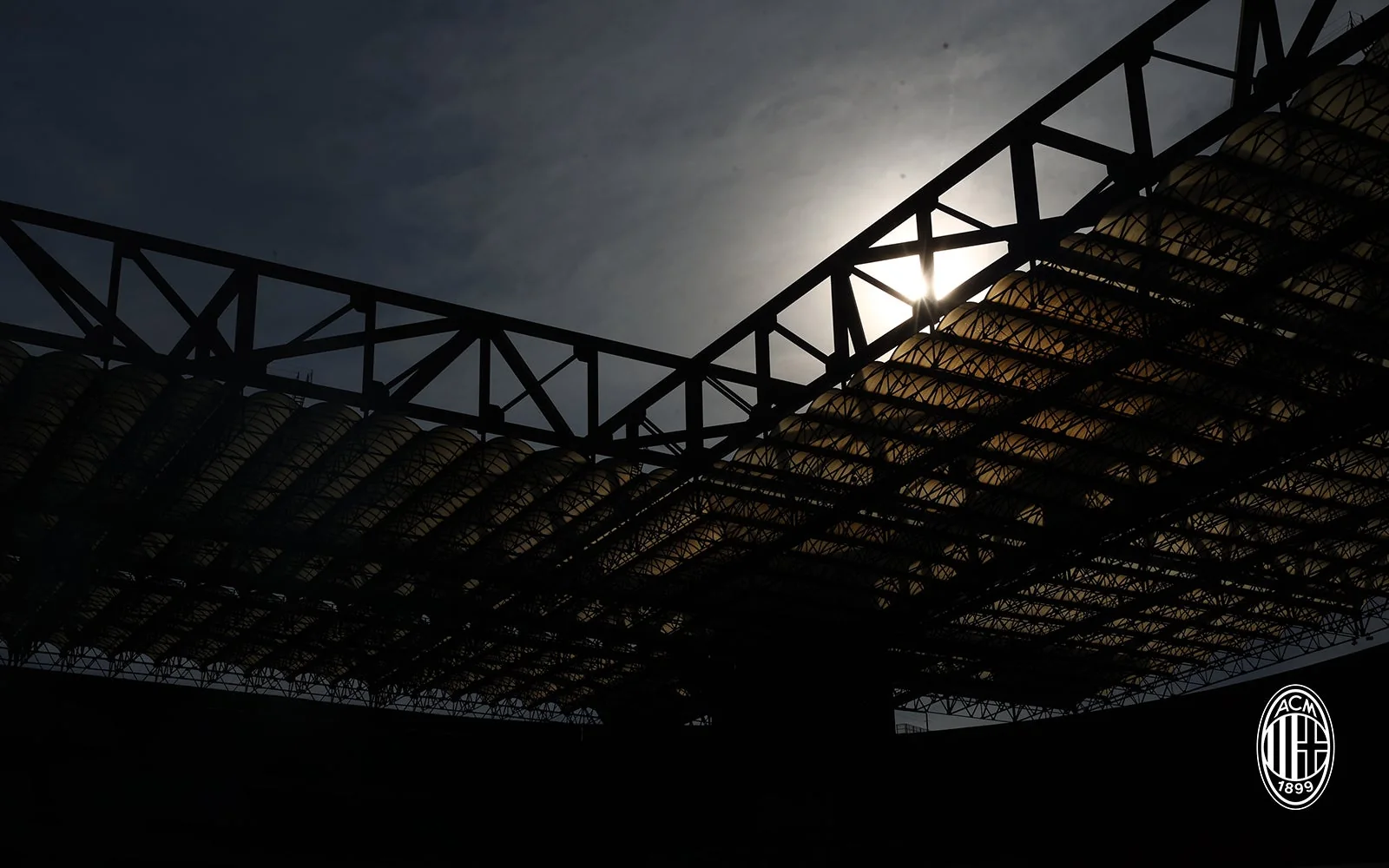
San Siro is still hosting football as it turns one hundred, while Milan and Inter pursue a new stadium on the surrounding site. The current controversy combines heritage, the clubs’ commercial ambitions and objections to early works, including the demolition of a south ticket office. A public planning and environmental review is also underway. This guide explains the documented milestones and competing arguments as of October 1, 2026, with a clear distinction between reported objections, completed transactions and decisions still ahead.
Why San Siro’s centenary makes the argument sharper
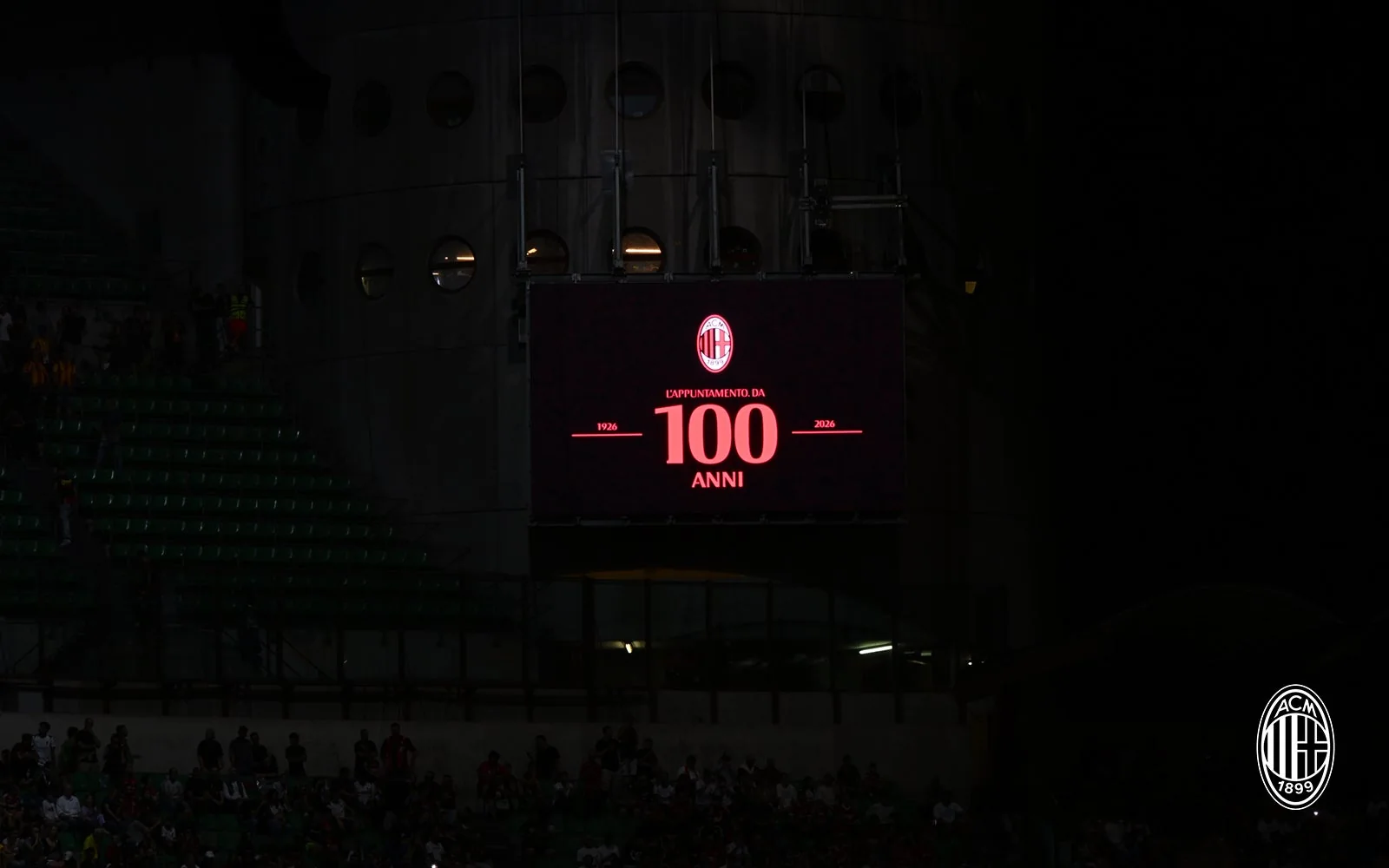
San Siro turned one hundred on September 19, 2026. The anniversary dates from its inauguration with a friendly Milan derby, won 6–3 by Inter, rather than its first competitive fixture. Inter marked the occasion with a centenary special, while Milan held a celebration before the following day's match against Lecce. Both clubs recognise the building's emotional importance even as they pursue a different stadium future.
That combination gives the argument its tension. A century is easy to celebrate because it can be presented as an accumulation of great nights. Redevelopment asks which parts of that inheritance will remain physically available to the next generation. A supporter can welcome better facilities while still fearing the loss of a setting that has defined football in Milan. Neither reaction becomes irrational simply because the other exists.
The ground also began as a specific football idea. Milan's stadium history describes president Piero Pirelli's ambition for an English-style venue without an athletics track. Inter became a fellow home club in 1947–48. The stadium's hundred years therefore should not be confused with a century of uninterrupted shared tenancy. Understanding that distinction preserves the origins of the place while acknowledging how deeply both clubs subsequently shaped it.
Two clubs share a building, but supporters inherit different memories
For fans, sharing San Siro has never meant sharing a football identity. The same approaches, ramps and views of the pitch hold different associations according to which colours someone follows. A derby changes the designated home side without moving the game to another ground. That unusual relationship makes the stadium part of the rivalry itself, rather than simply a convenient neutral container for it.
The two familiar names describe that same building. Inter's official stadium page explains the Giuseppe Meazza dedication and the San Siro neighbourhood name. Discussions that treat them as competing venues misunderstand the project from the start. The proposed change concerns the future of a shared physical home, although supporters approach it through different histories and expectations.
Milan's September 20 ceremony offers a recent demonstration of that attachment. It places the anniversary inside an ordinary football evening, before a match, rather than isolating the stadium as a museum object. This is the strongest reason the debate needs more than a choice between nostalgia and progress: San Siro is still being used to create new memories. Decisions about its future will change a living experience, as well as the way an old one is preserved.
What Milan and Inter want from a new stadium
The clubs' case rests on building a home better suited to their future football and business needs. That argument deserves to be understood through what they have actually announced. Their proposed replacement is part of a wider redevelopment of the San Siro district, with Foster + Partners and MANICA responsible for the stadium design and surrounding masterplan. It is not merely a project to repaint seats or update a few facilities inside the existing bowl.
Buying the area was a milestone, not permission to build everything
The decisive ownership announcement came on November 5, 2025, when Milan and Inter confirmed the acquisition deed covering the Meazza and surrounding area through Stadio San Siro S.p.A. The clubs described the transaction as a foundation for sporting success and sustainable growth. It gave the project an ownership basis, rather than turning every future construction or demolition proposal into an already completed decision.
That distinction is useful because stadium coverage often compresses different milestones into one headline. Selecting architects, buying a site, presenting a design and opening a building are separate achievements. Each can be significant without answering all the questions attached to the next. A supporter trying to understand current progress needs to know which of those actions has occurred, rather than rely on the impression that the entire scheme has been cleared whenever the project moves forward.
The commercial case has to work for ordinary supporters
The September 2025 architecture announcement described a proposed 71,500-seat venue with two large tiers, designed to improve visibility and atmosphere. It also promised accessibility and sections with affordable pricing. Those are the clubs' stated intentions for the new stadium, rather than an independently verified assessment of a finished design or a published schedule of future ticket prices.
Giving that promise proper attention makes the debate more useful. Fans do not benefit only from luxury hospitality: better entrances, clear views, accessible spaces and dependable services can improve an ordinary matchday. Equally, a commercially successful stadium could still disappoint if the people who create its atmosphere struggle to attend. The eventual seating mix and pricing policy will help establish whether the project delivers the inclusive experience described by the clubs.
The strongest sporting business case connects better infrastructure with the club's ability to compete over time. It should not be reduced to the assumption that a new ground instantly pays for a superior squad. Construction and operation have costs, while additional income depends on how the venue performs. Supporters can accept the ambition and still ask for clear explanations of the finances. That scrutiny is part of taking the proposal seriously.
Finally, atmosphere belongs within the design requirements. A steep stand or a close view can support a crowd, but the identity of a home end is also built through affordable attendance and repeated relationships between fans. The new project will be judged through those ordinary experiences alongside its architectural reputation. San Siro's replacement would need to earn its place in football life, even if it arrives with a celebrated name on the design documents.
What the September demolition dispute actually concerns
The latest controversy requires a precise description of what has changed physically. Repubblica's September 26 report concerns the demolition of San Siro's south ticket office in preceding months. It does not report that the whole Meazza has been demolished. Confusing an ancillary building with the stadium bowl turns a dispute over early works into a false account of the football ground's disappearance.
The report describes a complaint and formal notice signed by lawyer Veronica Dini on behalf of Fondazione Jdentità bianconera. The objection is that preparatory works are advancing the new-stadium scheme without the proper transparent process. It also describes a disagreement over works presented in a SCIA filing as changes to the security perimeter, entrances, turnstiles, fencing and external areas, compared with a technical description linking them to the future project.
A lawyer’s objection is not a court ruling
Those are the objectors' claims. The article refers to prosecutorial and administrative-court scrutiny, but does not establish a final ruling that the entire development is unlawful or that the stadium sale has been cancelled. A request to stop work and a decision requiring it to stop should not be presented as the same event. The published report is evidence of a dispute, rather than a completed judicial outcome.
The timing distinction matters too. September 26 is the publication date of the report; it is not a claim that the ticket office was demolished that morning. Readers following stadium news can otherwise mistake the appearance of a new article for the beginning of a new physical phase. A careful account identifies the work under discussion, who is objecting and what result they are seeking.
For supporters, the underlying concern is understandable even without assuming that every allegation will be upheld. Early changes can make a large project feel inevitable before the public fully understands how the remaining decisions fit together. Explaining which works serve current stadium access and which relate to redevelopment would help people follow the process. The case for a new football home is easier to assess when its supporters explain the steps clearly.
Equally, disagreement should not erase the progress that has actually occurred. The clubs completed an acquisition and appointed designers; those are documented actions. Neither action supplies a verdict on the separate objections to early works. Keeping those questions apart allows the debate to address both ambition and accountability. It also avoids forcing football supporters into a false choice between treating every development as unquestionably approved and assuming every objection has already defeated the project.
The case for preserving San Siro deserves a serious answer
The strongest preservation argument concerns what would be lost, rather than a claim that every existing facility is ideal. In his September 19 centenary opinion piece, journalist Leonardo Coen argues that San Siro belongs to Milan's cultural identity and that renovation should preserve it. That is an explicit opposing viewpoint. It should neither be dismissed as irrelevant sentiment nor presented as the unanimous position of Milanese supporters.
A football landmark is more than its current facilities
The building's recognisable form gives that position substance. San Siro is identifiable from its towers and roof before anyone reads the name of the match taking place inside. Its major transformation for the 1990 World Cup added the third tier and cylindrical access towers. Much of the familiar stadium is consequently the product of change, rather than an untouched structure from 1926.
That history complicates the discussion in a useful way. Previous generations changed the ground substantially, yet the resulting building became the landmark today's supporters want to keep. Preservation does not have to mean refusing every alteration. The question is which changes retain a convincing relationship with the place and which remove the experience that makes it distinct. Keeping a physical fragment would require an explanation of how people will encounter and use it, rather than assuming that its survival alone settles the heritage issue.
The clubs' desire for a new architectural landmark is a different promise. A successful replacement could develop its own identity, but it cannot inherit a century of familiarity merely through a name or an opening ceremony. That does not make a new stadium impossible to love. It makes the proposed loss worth addressing openly, with a specific account of what will remain and how the football community's history will be represented.
Demolition and renovation both need an environmental comparison
There is also an environmental argument beyond the stadium silhouette. The city's published consultation notice makes the proposed implementation plan, environmental report and nontechnical summary available from September 18 to November 1, 2026. In a September 29 critical commentary, Enrico Fedrighini stresses the need to consider the wider development's effects, including traffic, air and noise.
Comparing alternatives requires consistent boundaries. Renovation would involve construction, materials and disruption; replacement would involve a different construction programme and the consequences of removing existing structures. Both would then have operating needs over time. An energy-efficient new building does not, by itself, establish the environmental outcome of the entire redevelopment. Equally, retaining an old ground does not automatically prove that every proposed renovation is the better solution.
For supporters and neighbours, the relevant comparison should explain those trade-offs in understandable terms. It should include how the district functions beyond a match, how people travel and what mitigation is proposed. A credible decision can acknowledge both the value of existing fabric and the requirements of a working stadium. The evidence should establish the balance, rather than letting either a promotional sustainability claim or a preservation slogan substitute for it.
What the project means for matches at the existing stadium
San Siro remains a working football ground. Inter’s September 30 fixture announcement places Inter–Parma at the Meazza on October 10, 2026, at 18:00 CEST, followed by the home Champions League match against Club Brugge on October 13. Milan’s official first-team calendar also lists October home games at San Siro, including Atalanta on October 18 and the derby against Inter on October 31. Those are concrete signs of continuing use as of this article’s October 1 cutoff.
Supporters should therefore read demolition headlines with the location of the work in mind. Removing an ancillary structure around the site and taking down the stadium bowl have very different consequences for the next home match. The September reporting concerns the former. It gives readers a reason to scrutinise the development process, but it does not establish that the stands, pitch or current fixture programme have disappeared. The centenary celebrations themselves took place inside the existing ground.
The present calendar also answers only the present question. It cannot settle how football will operate through every stage of a future building project. A credible transition plan would specify which entrances remain available, how home and away crowds are separated around works, whether any seating areas are affected and who communicates changes. Those details matter because a ground shared by two major clubs has recurring operational demands while the surrounding area changes. They should come from works-specific official notices rather than assumptions drawn from an architect’s illustration.
For a supporter deciding whether a particular match is still at San Siro, the useful evidence is the club’s current fixture and ticket notice. For a supporter deciding whether the redevelopment protects the experience of going there, the useful evidence is a published construction and football transition plan. These are related decisions with different time horizons. Keeping them separate helps prevent both unnecessary panic about the next match and misplaced confidence that an unchanged October schedule resolves the longer dispute.
What would make the next announcement convincing?
There is already a concrete next opportunity to examine the proposal. Centro Studi PIM’s September 29 event notice lists a public forum for October 6, 2026, from 17:00 at Via G.B. Gadio 2 in Milan. It specifically connects the event to the San Siro implementing plan and its strategic environmental assessment. As of October 1, that forum is still ahead. Alongside the public review period discussed above, it provides a useful focus for questions about the development rather than another speculative opening date.
The strongest announcement would make the trade-offs visible. What survives from the existing stadium? What is removed, and why? How does the proposal compare with a renovation option under consistent assumptions? Which improvements depend on the wider development around the ground? Readers should be able to connect the answers to a dated plan rather than combine fragments from different project versions. That is especially valuable when an old photograph, an early rendering and a current administrative notice can all circulate together in the same discussion.
Supporters need a sequence they can follow
A public explanation should show the relationship between consultation, the response to observations, the decisions still needed and the practical start of construction. It should identify which dates are commitments and which remain targets dependent on those decisions. An accessible sequence would also make changes easier to track: a revised design should say what changed and which concern prompted the revision. These are standards for convincing communication, rather than a claim that this article has established the legal timetable for every part of the scheme.
The football side needs comparable clarity. A seating plan should allow ordinary supporters to understand their place in the proposed ground, including the sections promised to be affordable. A transition plan should explain how the two clubs continue to host matches while work progresses. A heritage plan should identify the physical elements, collections and public spaces that carry the history forward. Treating those subjects as connected parts of the proposal gives supporters a stronger basis for judging it than a single spectacular view of the finished building.
San Siro’s hundredth birthday has made that judgment more urgent. The clubs have reasons to seek a stadium suited to their future, and preservation advocates have reasons to challenge an irreversible loss. A credible next stage will show how the proposal answers both sets of concerns in specific terms. Until then, the centenary dispute remains open because the central question reaches beyond whether Milan can build an impressive new venue: what football experience, civic history and public value will the project carry into its next century?
Join the discussion
Comments
Sign in with Google to comment. Keep the conversation useful and football-focused. New comments are reviewed before they appear.
Loading comments…